Araluen

Nature, arranged with intention

Flower studio based in Jakarta, Indonesia providing workshops and classes for floral enthusiasts.

  • ABOUT
    • ABOUT
    • Floristry Study
    • CONTACT
  • Send Flowers
  • CLASSES
    • ONE-ON-ONE
    • SMALL GROUP WORKSHOPS
  • Portfolio
    • Bouquet
    • Table Setting & Installations
  • BLOG
Image by Marcelo Deguchi

Image by Marcelo Deguchi

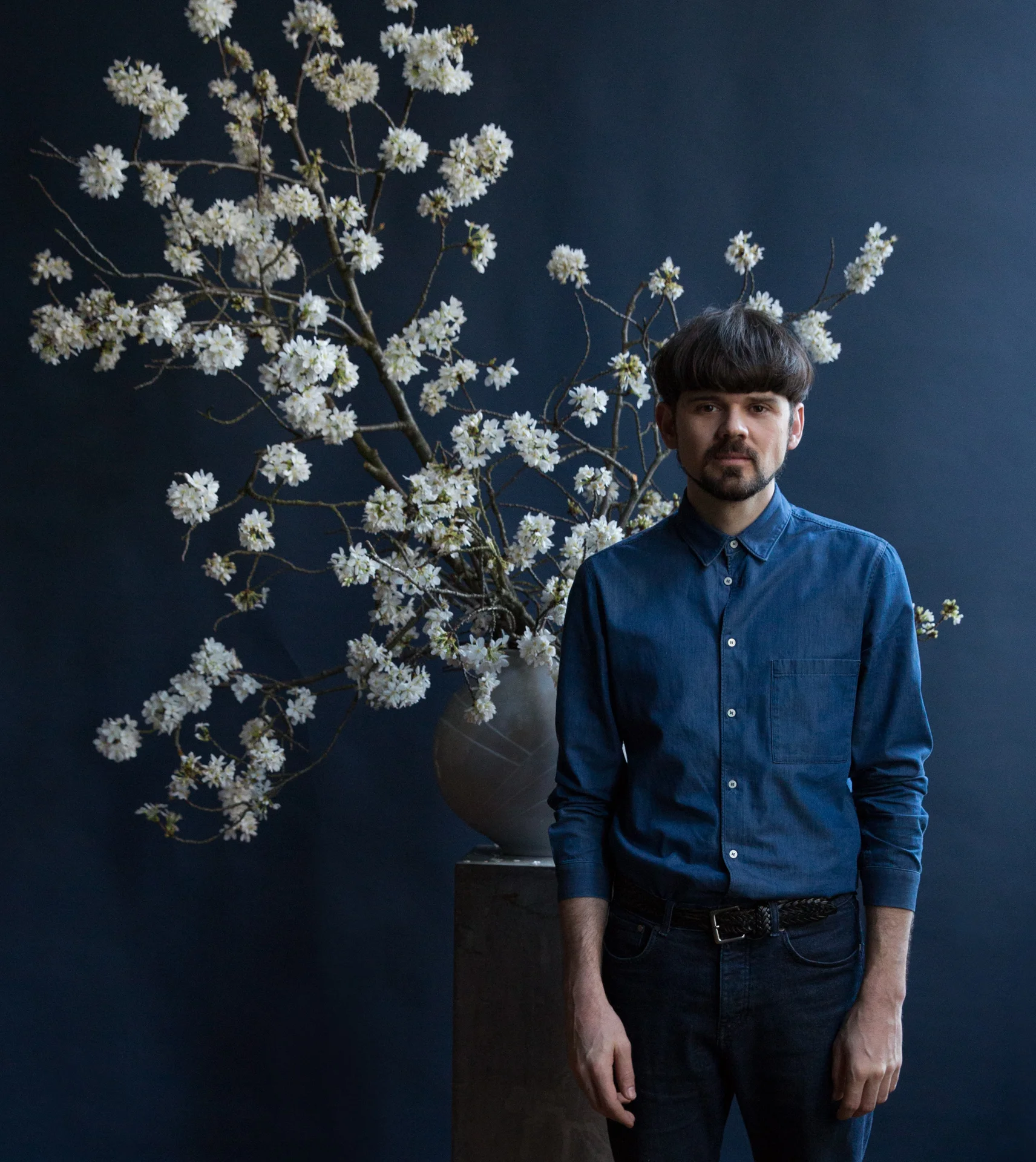
FIVE MINUTES INTERVIEW WITH WAGNER KREUSCH

October 09, 2018 by Nixie Pyrena in Interview

WHAT IS YOUR BACKGROUND AND HOW DID YOUR JOURNEY INTO THE FLORISTRY WORLD STARt?

My background is in graphic design. I have been interested in art for many years and originally wanted to become an architect. Architecture is very challenging though and can be very dry, so I decided to take a graphic design degree instead. I did this in Brazil where I am from and worked there as a graphic designer for 5 years before coming to the UK.

I didn’t actually work properly with flowers until I came to London, although my mum is a florist and had a flower business in the Brazil. The world of flowers seemed far too crazy for me when I was young, but now, I can’t imagine doing anything else.


do you have signature style?

This is a difficult question for me, because I don’t have a signature style personally - I like all styles of floristry. This made it very easy to create the school though, because we teach all styles within the school. This is very different from workshops where the florist running the workshop has a particular style and people attend it because of this.

Also, at LFS we try to vary floristry styles as much as possible. There are styles I am more connected with, but I am very open to being creative, so I try not to limit myself. I am however, more drawn to the message that is conveyed through the arrangement than the arrangement itself. I believe this comes from my background in Ikebana which I have been studying for 5 years.
IMG_0097.JPG

What do you think of the use of floral foam?

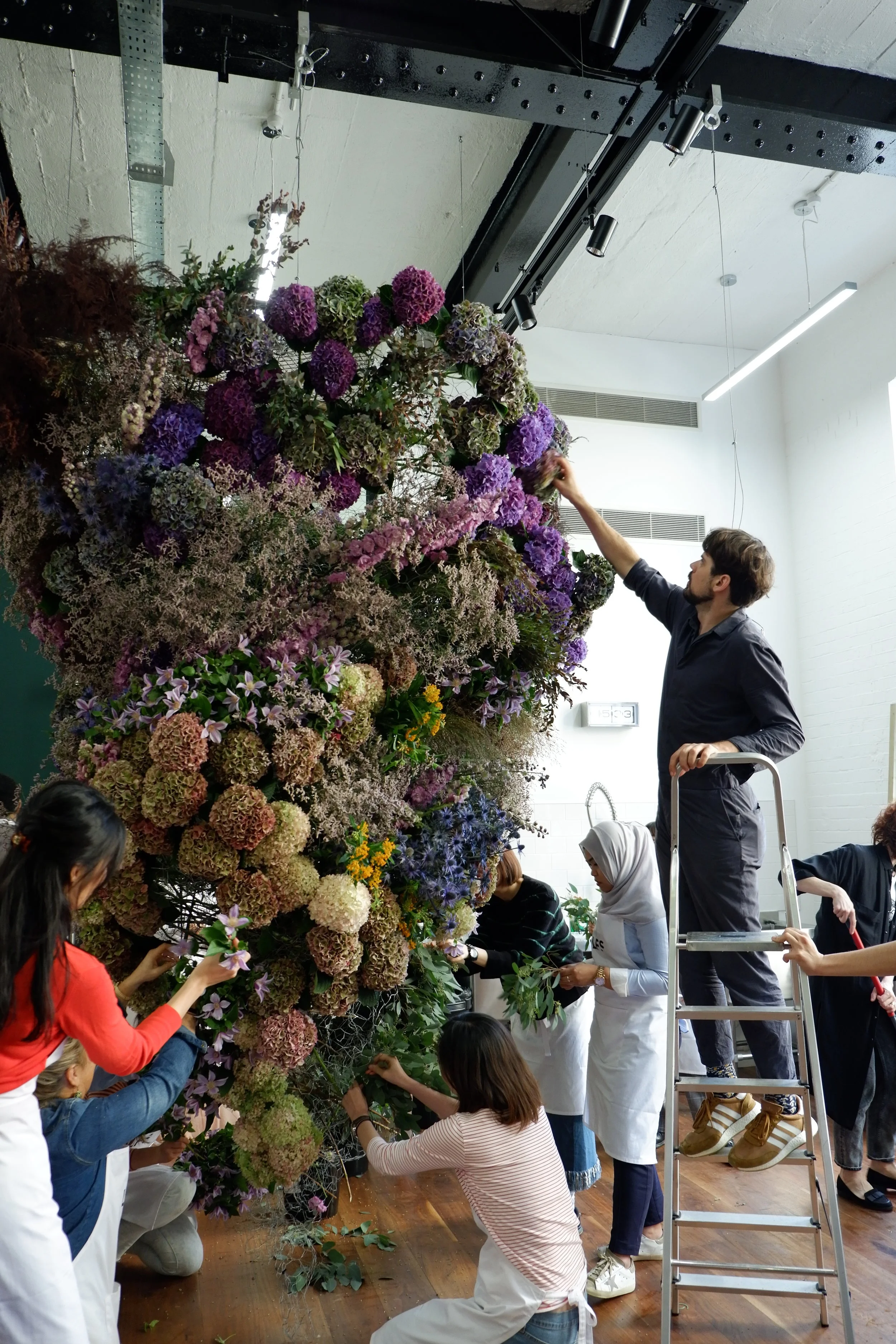
There has been, quite rightly, a lot of discussion around the use of floral foam in the floristry industry. Since its invention in the US in the 1950’s it has become the primary mechanics for most floral arrangements, especially in weddings and events where time is short and profits are small. I personally believe though that the industry will move away from floral foam in the future. Not only, because of the evidence that will emerge related to its lack of biodegradability, but also more generally, because it restricts the natural nature of floral arrangements, and also limits creativity.

how do you see in the future of floristry?

I believe that the future of floristry lies in self-expression. A true artist in any field is never concerned about what others think about what they have created.  They have created, and that is what is important.

Florists; artists; creatives in general need to express themselves through their art without the restriction of trends. This should be and hopefully will be the future of floristry.


October 09, 2018 /Nixie Pyrena
LFS, interview
Interview
Comment
Jess and Alex | Image credit AESME

Jess and Alex | Image credit AESME

FIVE MINUTES INTERVIEW WITH AESME

AESME
October 01, 2018 by Nixie Pyrena in Interview

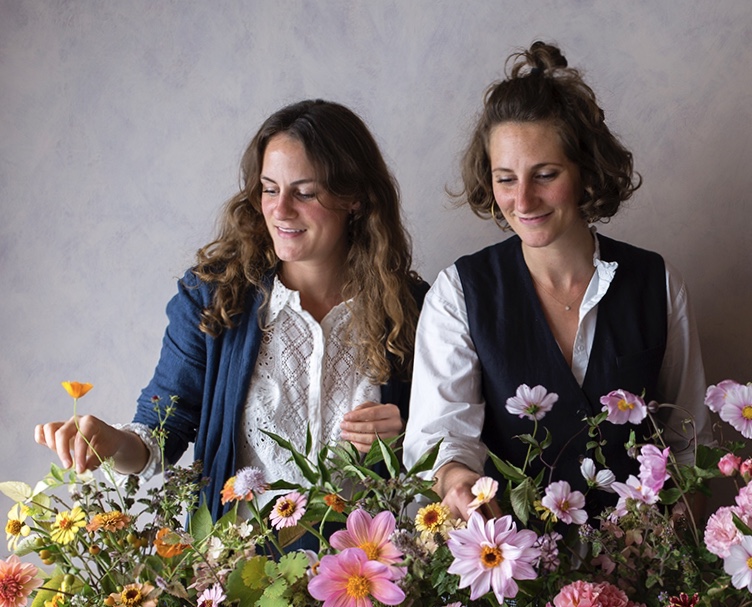
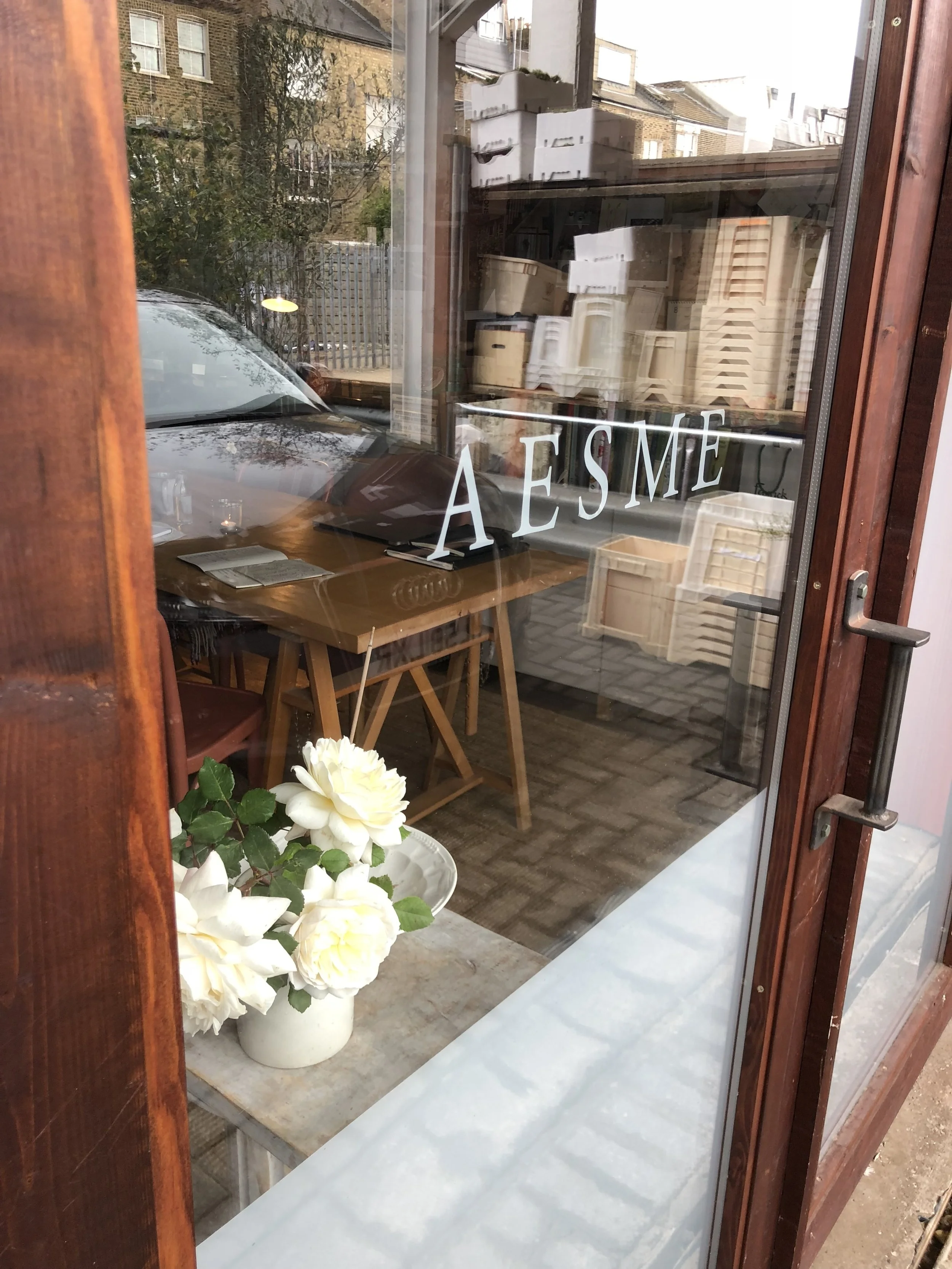
Last month I signed up for two day class with AESME. I am so inspired by Alex And Jess, the founder of AESME. I have been a big fan of their work since last year and it was such a dream came true to be able to visit their studio, meet them and learn from them personally. After I finished my second day I asked them whether I could have a short interview with them, and they were happy to do it!


What is your background?

Alex: We have no background in floristry, we both had careers before floristry. I worked at events and fundraising for Oxford University, and Jess worked for an editorial office in Oxford, we tried lots of different things before. And then we came to floristry because it was a flower arranging hobby of mine, we want to run our own business and do something creative. So I did an internship in New York for a flower studio called Saipua. I wrote to the owner called Sarah asking for an internship and was not expecting her to say yes and asked me to come on the next spring.

Jess: I did not come along with Ally to New York because I was working at that time and it is kind of of Ally’s hobby at that stage so I was just interested in watching what she was doing.

Alex: I went to the the studio for two weeks and worked on couple of weddings and workshops.  She gave me some classes with her privately, was amazing and I was completely in love after that! Came back to London and went for coffee with Jess and I was like “This is what I want to do with my life, I finally found it!” and Jess was like “cool, let’s do it together!”.

 
IMG_0459.jpg
 

How did you come up with the name ‘AESME’?

Alex: Esmé is the traditional French name that we like, it is the character in a couple of books that we really love and it is just a name that we always loved, but we wanted to create a name that was objective so it did not mean anything. We adapted the name Aesme by adding an “A” to the front, we want five letter words that look really beautiful in paper and sounding nice. So we basically made it up. So it is an adaptation of the name that we love.

Jess:   And it looks strong but it sounds soft. It took a while to come up with that.


IMG_9066.jpg

Who is your biggest influence and where do you look for inspiration?

Alex: Probably Constance Spry, we love her books, we got lots of her books here and we use the same methods that she used with chicken wire & kenzan, not using foam also using containers that is basically like kitchen containers or the antique vessels that we used for jams or for pickles or some kind of foods, so we like to use those kind of old containers. We are also influenced by garden designers as well. There is a garden designer called Jinny Blom who creates really beautiful naturalistic gardens.

We also go visit gardens a lot around the country because there is so many beautiful heritage English gardens. We go and see what is growing, how plants grow together and we come back with lots of ideas of things that we want to grow in our gardens also ways of arranging them as well so they look really natural. That’s the big inspiration, gardens.

Jess: And then also things outside of flowers, floristry and garden such as fashion, clothes, architecture, food, and lots of different things.

How do you describe your style of arrangement?

Alex: Garden inspired. Because it really is. The ingredients all have all been cut from our garden throughout the growing season. So they are genuinely garden ingredients, but also we take inspiration from the garden where we cutting. So if we are doing a spring class, it will be very seasonal ingredients we will forage four blossom and particular types of foliage that look amazing in spring. So everything is very in tune with the setting, the weather and what is going on in the landscape.

So, garden inspired, naturalistic, seasonal, quite romantic and a little bit rambling. Because in gardens can thrive to look a certain way but nature will always take over again, so it will always go back to being wild and overgrown. So we want an element of that like it is not perfect, it is not straight, it is kind of wild and natural.


IMG_0654.jpg
 

What do you see in the future of floristry industry?

Jess: I think now people started aware of where thing is coming from. There is greater demand and bigger market from home-grown produced, so small artisanal growers. In the same way that has been a revival in a small farm and buy biodynamic farm growing vegetables. There are lots of small growers and that has happened from the past 10 years and that is affecting market, because brides are seeing British flowers and naturalistic garden flowers and that’s what they are wanting and it is in tune with the fact that they are start thinking about where those things come from and the impact on environment that things are having.

So, the British flower styles not only garden style but also the sustainable practices, because floristry is incredibly unsustainable industry that uses huge amount of energy, water, chemicals. That is a pushback against that at the moment, like Phillipa Craddock who did the Royal Wedding and she did incredible archway and she did not use any floral foam, she just used water vessels and that is a really big flag in the industry to say we have going to stop using these things, because you are selling a natural product and you are talking about nature that is meant to be about the flowers and you are using things that is that is completely counterproductive to that. So it think it is going to be a big shift in sustainability and more mindful ways of sourcing flowers. And in relation to that, when it comes to design shape and form, just like food people are more flexible about things because they know if it is organic and you want it to be organic, you need to be more forgiving about the nature of materials.  

October 01, 2018 /Nixie Pyrena
floristry, interview, britishfloraldesigner
Interview
Comment
Image by Marcelo Deguchi

Image by Marcelo Deguchi

Five Minutes Interview with Helen Dyson

LONDON FLOWER SCHOOL
September 24, 2018 by Nixie Pyrena in Interview

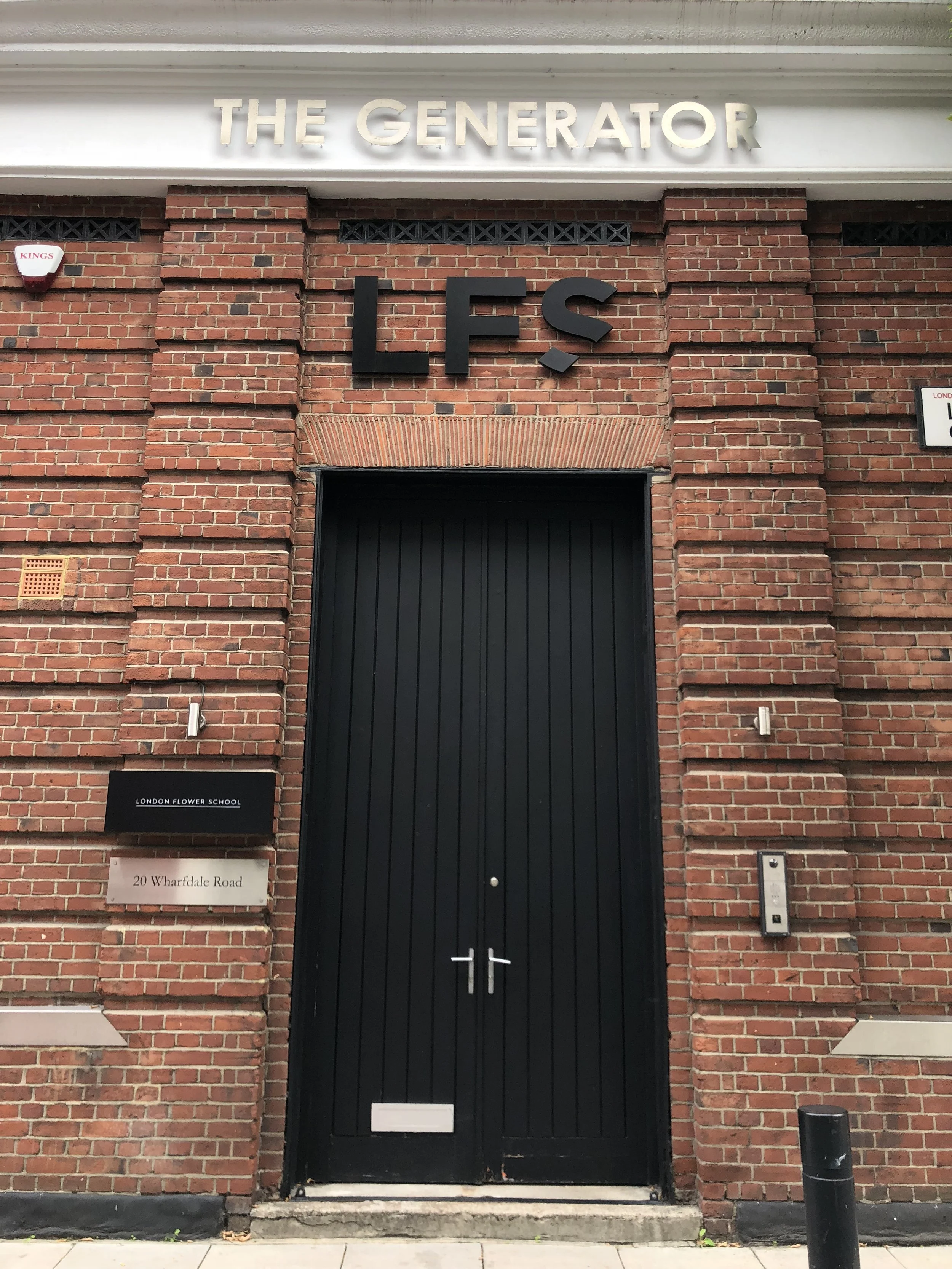
Helen Dyson is the CEO and Co-founder of London Flower School which is now a year old and is attracting many overseas students. In this interview, Helen will share her flower journey and some tips for floristry start-ups.

What is your background and how did you getting into floristry?

My background is in teaching. I taught for 25 years, but nothing related to floristry. I taught children in middle school.

How did you get into floristry?

After teaching for such a long time, I wanted to do something different, although I did not know exactly what. I took a one day floristry workshop, because I do like learning and then I was hooked.

IMG_9771.jpg

When and Why you decided to start LFS?

I took the McQueens Career Course with the intention of becoming a florist. Wagner was the Head Tutor at the time and we got on very well and became friends. We decided that we would like to work together on a project and because of our backgrounds, the natural business choice in floristry for us was to create a school. There was very little plan at the start although there was quite a lot of wine over discussions.

Also, teaching is my passion and Wagner is an exceptional floristry teacher. More than this though LFS was created to encourage others to be creative. As Constance Spry is quoted as saying, ‘do what you please, follow your own star, be original if you want to be and don’t if you don’t want to be’. This is exactly why we decided to start the school. It is a safe space where we encourage students to do as they please and be creative.

IMG_9630.jpg

WHAT is the biggest challenge in floristry industry?

The biggest challenge is to stand out, because the market is saturated. There are a lot florists out there, especially in London, so to be different; to continue to be creative; to challenge yourself; to not get to that steady comfortable state is vital. It is important to wake every morning and be excited by what you do, and do something different. This is the biggest challenge, but also provides the most reward.

Do you have any advice for floristry start-ups?

I would say passion is the key to what we do. It is a hard and physical job, so you need to wake every morning and love it; go to work and love it. Have passion, and a lot of courage, and you will succeed.

Also, on a more practical note, I would say that it is important to think about why you are do it and what you want to get out of it when you start out. Write a 4 year Business Plan which should answer the questions: Where will my business be in 4 years? What do I want to achieve? This will make you 10% better than other people in the industry. That 10% will make you stand out.


September 24, 2018 /Nixie Pyrena
LFS, floristry, interview
Interview
Comment